
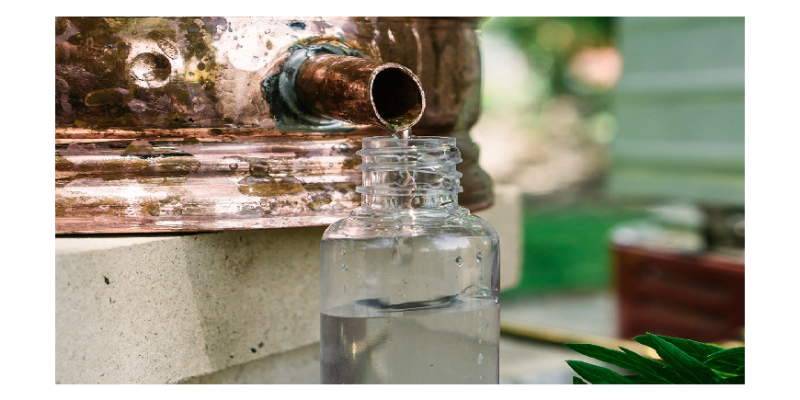
What is a hydrosol?
The word hydrosol is a chemical term for “water solution.” Hydro” means water and sol “solution.” In the world of aromatherapy, they are known under different names: hydrolates, floral waters, plant waters, hydrolats.
Hydrolate uses “hydro” for water and “late,” from French lait for “milk.” So, when a hydrolate first comes out of the still, it will be slightly milky because it has a lot of plant substances and essential oils dissolved in water. So, according to Susanne Catty this is a complete definition:
“ Hydrosols are the condensate water produced during the steam or hydro distillation of plant material for aromatherapeutic purposes”.
Source: Herbal Academy
Benefits
During distillation, some of the water-soluble plant oils will combine with the water and impart therapeutic properties. This creates a gentle, diluted product, which is generally safer to use than essential oil.
Hydrosol can be used like sprays: facial, body, hair sprays, foot, anti-itch spray.We can use them like linen sprays to refresh our bedsheets, towels, and other linens. If you want to go at an energetic level, we can use hydrosols in meditations to boost our chakras’ energy in purification ceremonies. We can use them for babies, in moist wipes, aftershave, in body creams, and other cosmetic products. Some hydrosols are used in different cultures to flavor different foods.
Safety
We need to store hydrosols properly in a cool, dark environment.If you see cloudiness or mold in the bottle, it means that the hydrosols are contaminated, so do not use it!
Hydrosols do need to be stored properly. A cool, dark environment (like a refrigerator) is best, and make sure to check them often for any cloudiness or mold. Since hydrosols contain no preservatives, they have relatively short shelf lives of between 6 months to 2 years.
Helpful Sources of Information About Hydrosols:
Hydrosols: The Next Aromatherapy
Author: Suzanne Catty
Understanding Hydrolats: The Specific Hydrosols for Aromatherapy
Authors: Len Price and Shirley Price
Related Posts


Comments (0)